The Clothes, the Bass, the Trouble

Mark Stewart on The Pop Group, Bristol style, dub science and refusing to become your own tribute act.

KULTUR // Kultur SessionsPage 01

Bristol · The Pop Group · funk, dub and good shoes

The Clothes, the Bass, the Trouble

Mark Stewart on The Pop Group, Bristol style, dub science and refusing to become your own tribute act.

Interview · Barnzley  |  Guest · Mark Stewart (1960–2023)

If you can stand onstage and point with a leather glove, you’re laughing.

The Pop Group did not arrive after punk so much as refuse to stand in its queue. Bristol teenagers with good shoes, funk records, dub in their bloodstream and no respect for musical borders, they took punk’s permission to begin and immediately used it to escape punk’s new rules.
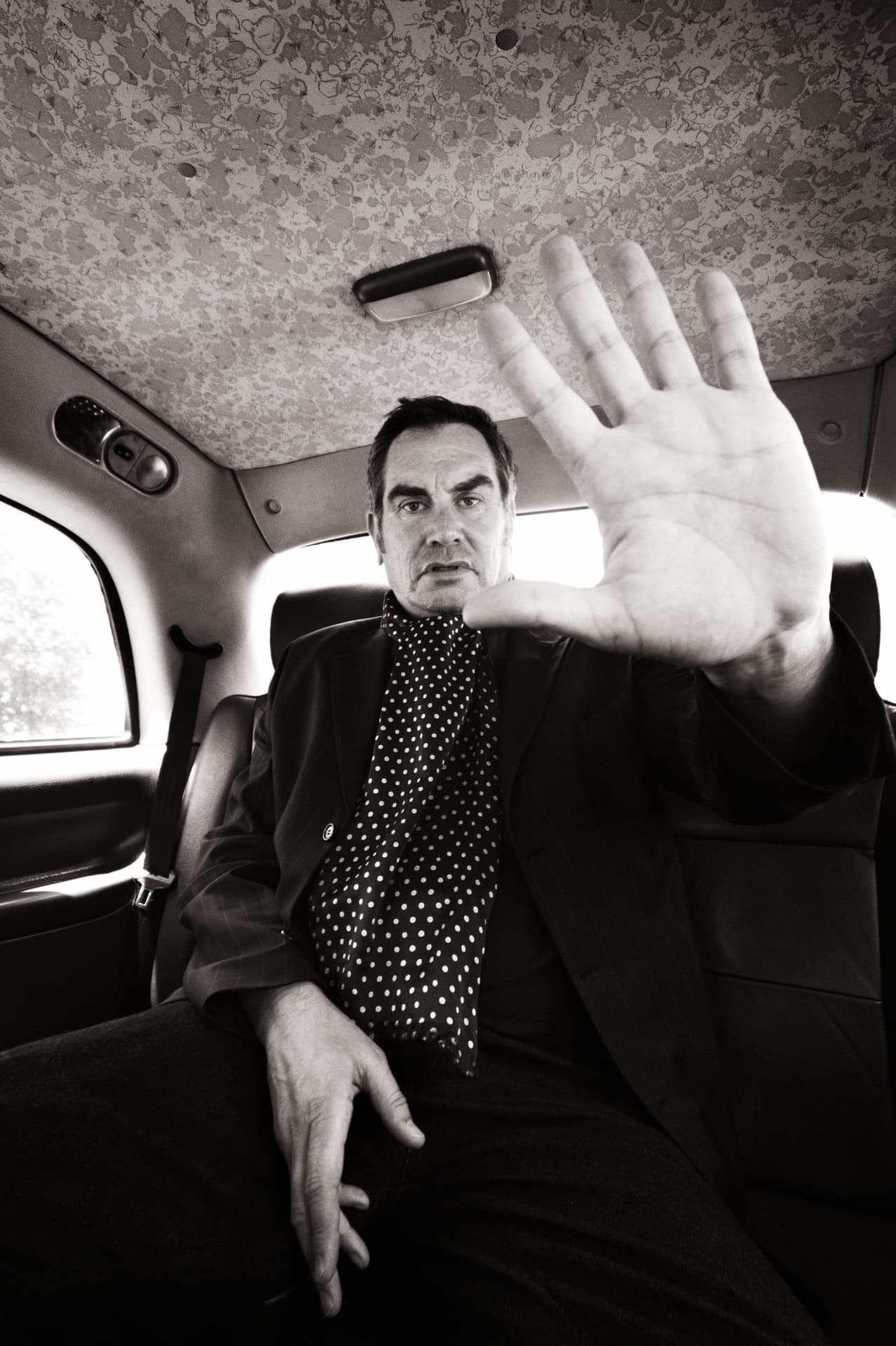
Mark Stewart photographed in the back of a London taxi
Mark Stewart · Photograph by Chiara Meattelli & Dominic Lee

For Mark Stewart, that permission was the revelation. Watching Paul Simonon play with stickers on his bass showing him where to put his fingers made the impossible suddenly practical. Before that, musicians belonged to another class: people with money, training and access. Punk broke the glass.

Stewart’s first ambition was less grand. He wanted a job where he could wear decent clothes. Alvin Stardust, standing onstage and pointing in a leather glove, appeared to have solved the problem.

Clothes are not a decorative aside in Stewart’s history; they are the connective tissue. Long before The Pop Group, Bristol’s Kit Chaps and Avon Soul Army were gathering at funk clubs in immaculate 1950s-inspired clothes. Fashion created recognition, then friendship, then a scene. The Pop Group grew from that same social chemistry: punk’s licence, funk’s physical force, dub’s manipulation of space and a city whose shebeens stayed open after the clubs shut.

The result was music that sounded less composed than detonated. Basslines arrived from the dance floor; guitars, saxophones and drums seemed to argue in public; Dennis Bovell turned the studio into another instrument. Stewart’s lyrics treated racism, state violence, nuclear weapons and imperial power not as a specialist category called politics, but as ordinary life. Call something political, he tells Barnzley, and you risk handing its power to somebody else. For him it began with opening the curtains and looking outside.

That refusal to separate style, sound and resistance made The Pop Group a foundational influence far beyond their brief first life — industrial music, trip-hop, post-punk revivals, and the Bristol continuum that produced the Wild Bunch and Massive Attack. Yet Stewart is suspicious of tidy genealogies. The achievement was never a formula to be copied. It was the invitation to stay open, conduct mad experiments and control your own work.
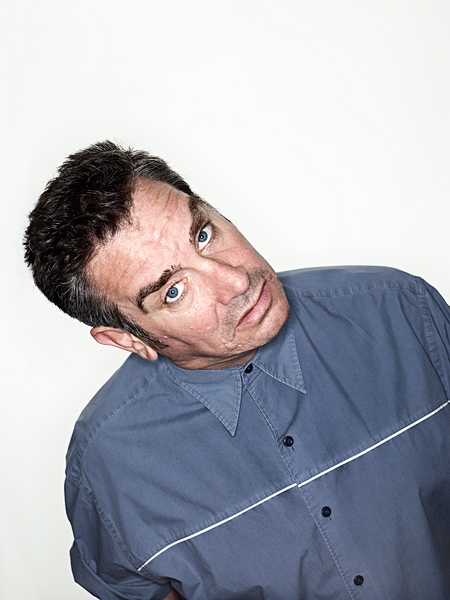
KULTUR · No. 2 · Mark Stewart01
KULTUR // Kultur SessionsPage 02

Punk Was Permission

Edited for clarity and length. Mark Stewart’s language and humour have been retained.

The Pop Group seemed like the first band to do something genuinely interesting after punk. You brought in funk, jazz and dub. How did that happen?

We were a kind of punk band. I remember seeing The Clash at the ICA at the Night of Treason, with Subway Sect, on 5 November. At that stage Paul Simonon still had stickers on his bass showing him where to put his fingers — that classic Sniffin’ Glue thing of drawing the three chords. It was so enabling. Everybody thought, ‘Oh, we can have a go.’

None of us had dreamt of being musicians. It was a faraway thing that posh kids did. You needed thousands of pounds, and it seemed too hard a skill to learn. I was into clothes. I thought, if I can get a job where I can wear decent clothes, I’m into that. I remember seeing Alvin Stardust with a leather glove, just pointing. I thought, if you can stand onstage and point with a leather glove, you’re laughing.

So punk was already happening when you began?

Yes, but we thought it wouldn’t be punk to make another punk band. Punk was meant to be about change, difference and being weird. So we mixed in what we’d grown up with and what we heard in Bristol clubs and shebeens. I’m a funk boy. We came up to London, went to places like Hackney and bought pink pegs, then wore them to funk clubs. Mohair jumpers, plastic sunglasses — people were wearing what became punk clothes to funk.

No bands looked like our youth cult. Roxy Music gave you an excuse to dress up, but most groups were pub-rock blokes who weren’t really into clothes. Then the Pistols appeared and I thought, they’re wearing the same clothes as us. They’re shopping in the same shops. That was the recognition.

How did you actually choose the band?

It was the classic thing: Bruce had a decent pair of shoes and wasn’t wearing a greatcoat. Gareth could play a little. Another kid had to take in his flares, get his hair cut and borrow some good records. Simon was a Kit Chap, a soul boy like me, so we were already well dressed. It was about clothes and attitude.

Bass, Dub and Open Space

Funk. Going out at the weekend meant funk. Then, if you were really pissed and wanted to carry on, you’d go down to St Paul’s to a blues until four in the morning. It was bass music. I still had the NME side — Iggy Pop, Lou Reed, the Velvet Underground. Kids in bedrooms all over England were finding Metallic K.O. in isolation. When the Pistols happened, suddenly you realised there were other people a bit like you.

With The Pop Group, we wanted the heavy funk basslines we heard in clubs, and we tried to dub the music live because that was what we loved. Working with Dennis Bovell opened it further. I love dub not only as reggae, but as a set of strange techniques.

If you’re singing about challenging the system, it’s stupid to play traditional twelve-bar blues.

‘It’s Not Politics, It’s Life’

I can’t ignore it. For me it isn’t politics, it’s life. As soon as you call something political, you give the power to somebody else. It’s what happens when I open the curtains and see what’s going on.

I was in Southall when Blair Peach was killed at the anti-Nazi demonstration. I was there with Misty in Roots. I went to those demonstrations whether I was in a band or not. The last Pop Group concert and the first Maffia concert were at a huge CND rally in Trafalgar Square. We were always playing benefits and rallies.

KULTUR · No. 2 · Mark Stewart02
KULTUR // Kultur SessionsPage 03

Rough Trade, The Slits and a Room Full of Labels

Dick O’Dell became our manager very early. We met Hugh Cornwell after a Stranglers concert in Bristol and told him we were thinking about starting a band. He was incredibly friendly and told us to send him a tape. Hugh paid for an early demo session. Charles Bullen from This Heat came in and helped, though we can’t find those tapes now. Later we recorded with Andy Mackay from Roxy Music.

I was going out with Vivien Goldman, and Geoff Travis rented a room upstairs at her place in Ladbroke Grove. All these reggae people passed through. I was so young, still at school, and suddenly people I’d only seen in magazines were in the kitchen: Sly and Robbie, Niney the Observer. Then I’d find myself sitting next to Sun Ra thinking, what the fuck is going on?

Rough Trade’s shop was brilliant. I’d go in to buy reggae and stay all day. Upstairs was a tiny storeroom where they began running the distribution operation and the label. Daniel Miller came in, got a little desk and started Mute. The room was about this size, and all these labels were beginning inside it. We thought, we can start our own label too.

Mark Stewart portrait
“I’m a funk boy.” — Photograph by Chiara Meattelli & Dominic Lee

Bristol: Clothes Before Music

The Pop Group became a big influence on the Bristol scene that developed into the Wild Bunch, Massive Attack and Tricky. They were coming to our gigs. Grant was a massive Pop Group fan. We were one of the only things happening in town at that moment, but everybody had already gone to Foster’s, the funk club. The crowd called itself the Avon Soul Army; we called ourselves the Kit Chaps. There were about two hundred of us, all poncing about in 1950s clothes.

I was twelve when somebody told me about Foster’s. I walked in while they were playing something like ‘Ultra Funk’, and saw people doing strange monkey-robot dancing, dressed immaculately. Vernon and Joseph Ives were dressed to the T. This was about 1974.

It’s striking that a music scene grew out of clothes. That’s how you made friends. You’d be walking along, see somebody wearing something right and recognise them. Punk made that recognition more confrontational.

Return Without Nostalgia

Barry Hogan from All Tomorrow’s Parties phoned. Matt Groening was curating and could choose his favourite bands, living or dead. He wanted The Pop Group to reform and Iggy to reform The Stooges. I thought, fucking hell. I was doing something with Kenneth Anger at the time.

We had all stayed friends. A central part of our politics was controlling our destiny, our copyrights and our material, not letting some cunty little label rip us off.

It wasn’t the same band because we weren’t the same people. Each musician sounded as if he was playing a different song at the same time, all of it colliding. Dan would begin something, Bruce would start playing something else, Gareth would make his owl noises, and suddenly there was this molten, volcanic thing. I had to treat it like an art project: don’t judge it, let it happen. If you try to control it, you’ll smother the child.

Hopefully we can get together again and continue. Yes. Preferably with some clothes on.

KULTUR · No. 2 · Mark Stewart03